Underbody Rust Protection Built for Road Salt, Not for a Showroom
Flak Jacket 1 and Flak Jacket Pro polyurea are sprayed onto frame rails, rockers, wheel wells, and bed floors at 40 to 80 mils — thick enough to survive gravel, dragged loads, and a decade of brine. It bonds to the metal permanently instead of sitting on it like rubberized undercoating, and there is no gap behind it for salt water to live in.
Get Underbody PricingWhy Flak Jacket and Not Rubberized Undercoating
It Bonds — It Does Not Sit There
Wax and asphaltic undercoatings are designed to stay soft and be reapplied. That softness means they never truly bond, and once one edge lifts, brine wicks into the gap and corrodes the steel behind a coating that looks perfectly intact from underneath.
It Does Not Go Brittle and Crack Off
Rubberized products harden with age and thermal cycling, then crack and shed in sheets around year three — usually at the flex points where the frame works hardest. Flak Jacket polyurea elongates 300 to 400% and tracks that movement for the life of the vehicle.
Thick Enough to Take Gravel
Forty to eighty mils in one pass, with tear strength in the 400 to 500 pli range. Stone chip, dragged chain, road debris, and loading impact do not open a path to the metal the way they do through a thin film.
No Gap Anywhere on the Vehicle
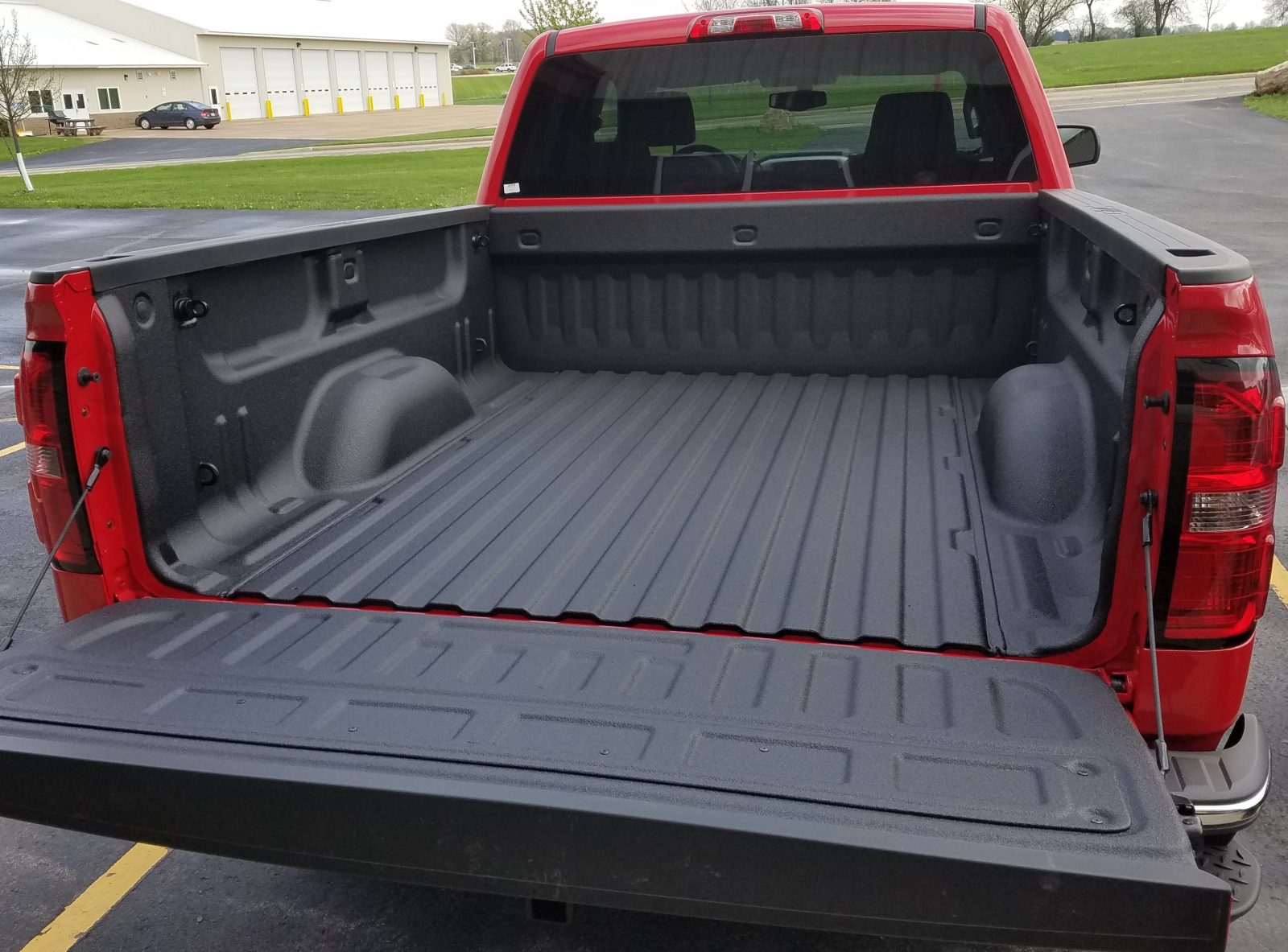
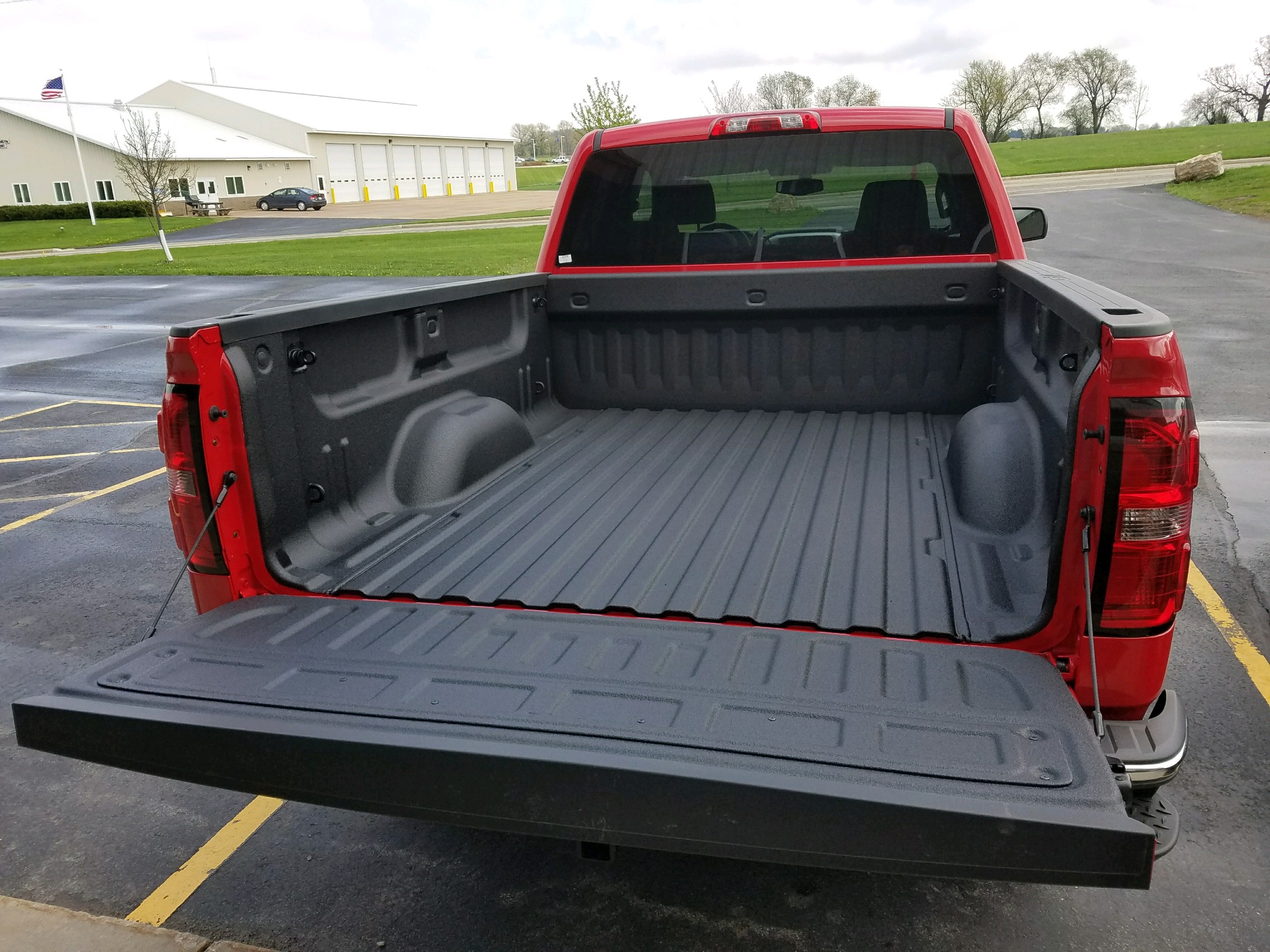
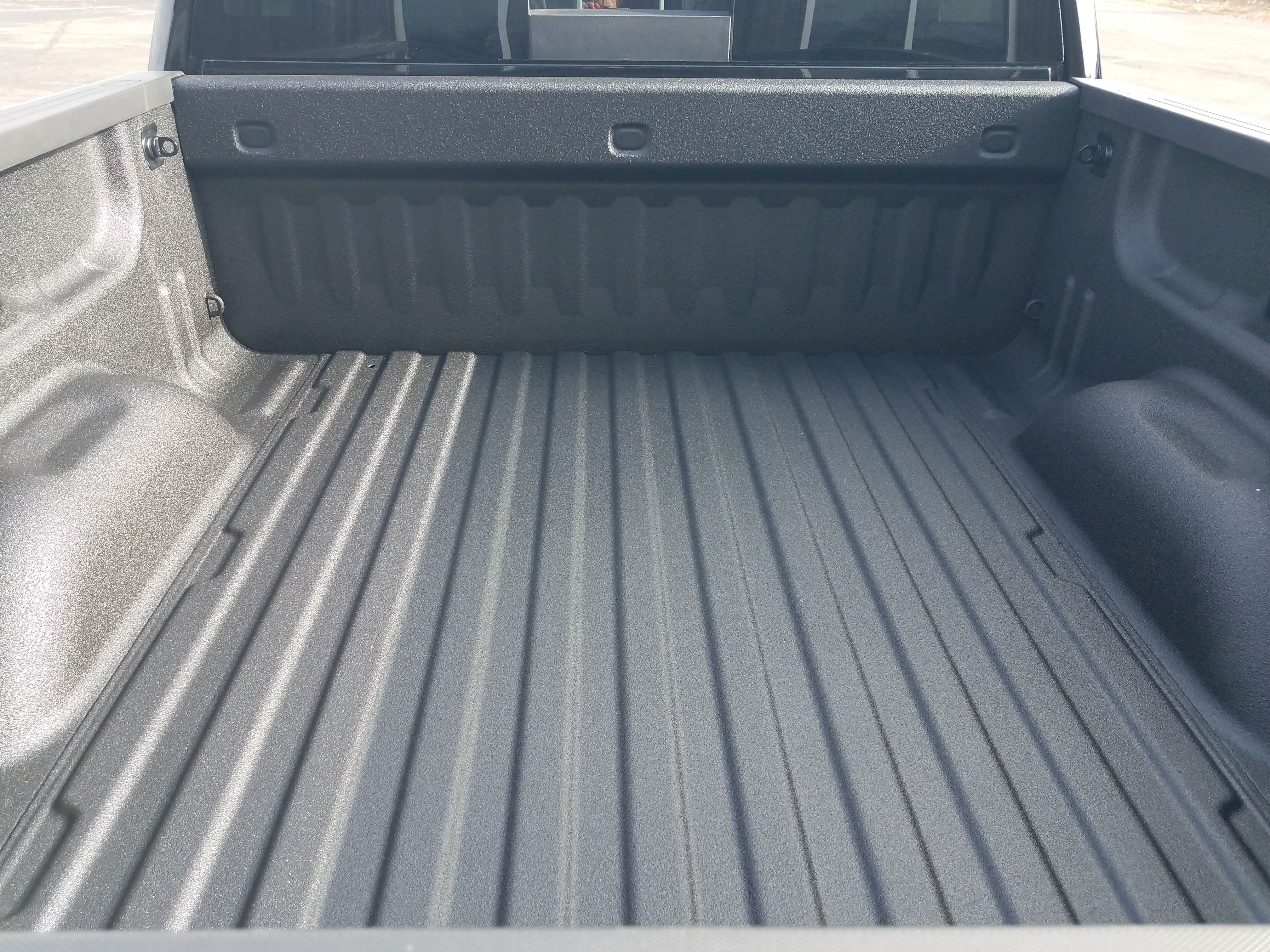
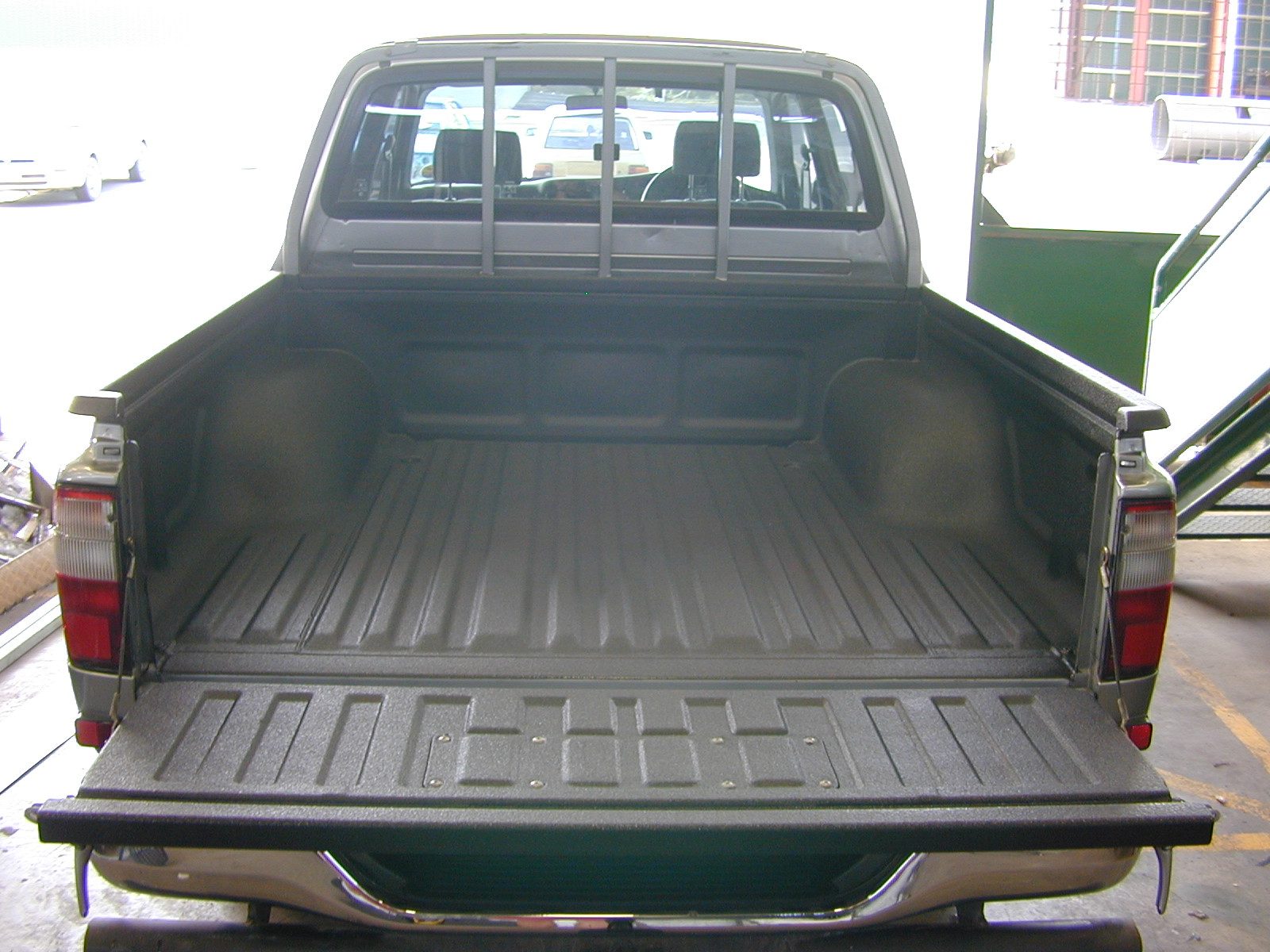
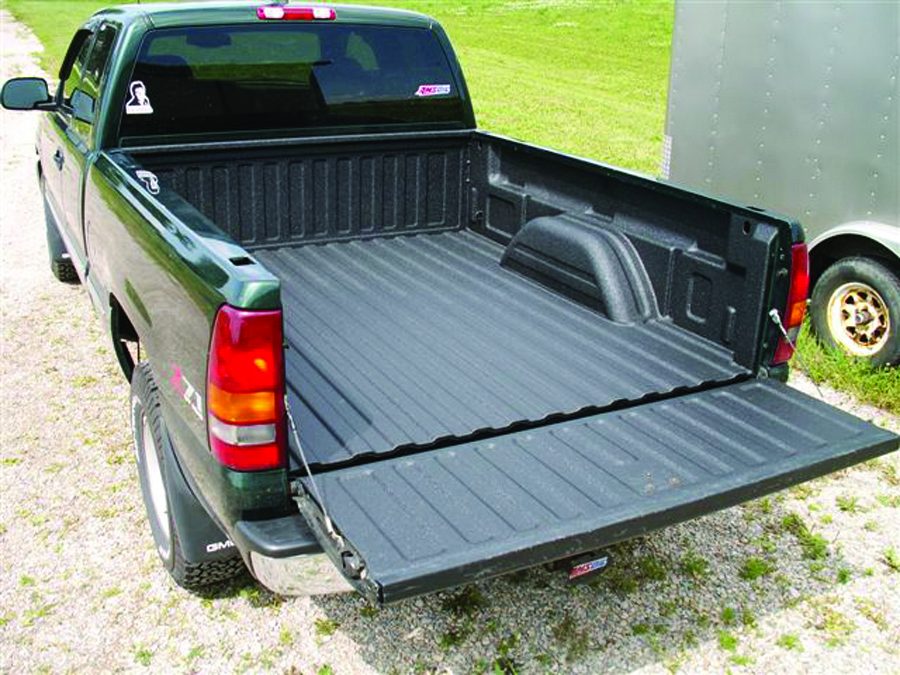
A drop-in bed liner has a gap behind it that holds water and grit against painted steel — one of the most reliable ways to rust a bed floor. A sprayed membrane bonds to every square inch, including the bolt holes and the tie-down pockets.
What Gets Coated Underneath
Where brine collects, where gravel hits, and where nobody looks until something structural gives.
- Frame rails & crossmembers
- Rocker panels & cab corners
- Wheel wells & inner fenders
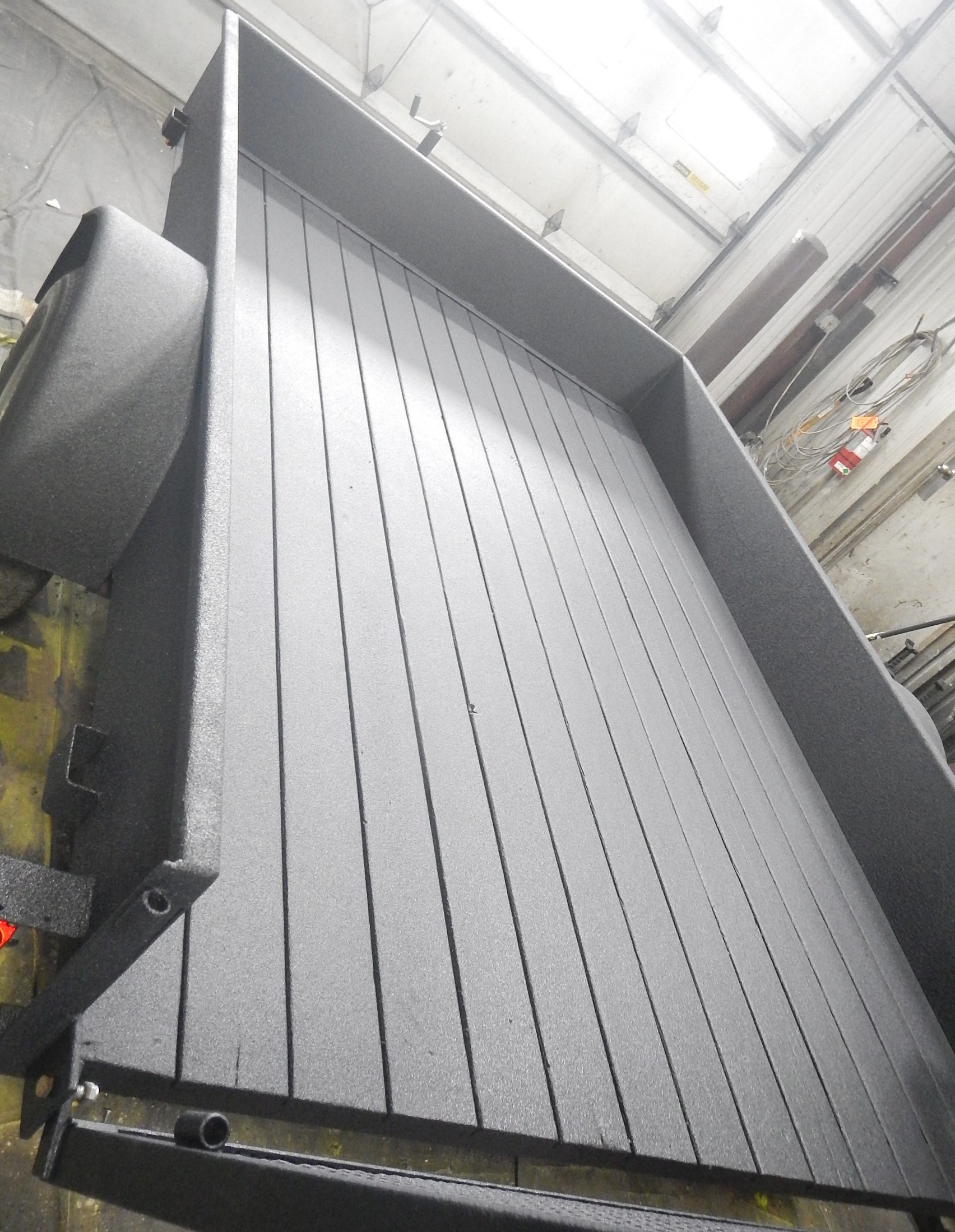
- Bed floors, walls & tailgates
- Spring hangers & shackle mounts
- Floor pans & trunk floors
- Trailer underframes & decks
- Fuel tank straps & skid plates
- Bumper brackets & step boxes
- Fifth wheel & hitch plates
The Underbody Stack
Flak Jacket where it takes abuse, OR93BL where it just has to stay dry.
What Brine Actually Does Under There
Rock salt was the old problem. Liquid brine and magnesium chloride are a much worse one, and they are what most states spray now because they work at lower temperatures and stick to the road.
They also stick to your vehicle. Brine is hygroscopic — it pulls moisture out of the air, so a treated surface stays damp long after a dry-salt vehicle would have dried out. It flows into seams and cavities that dry salt would never reach. And it keeps working in a heated garage all winter, which is why vehicles kept indoors in the salt belt often rot faster than ones left outside.
That is the environment underbody protection has to survive. Not just water — a chloride-rich, hygroscopic, creeping electrolyte that gets into the frame rail through the drain holes and sits there.
Which is why the two properties that matter most underneath a truck are bond and thickness. A coating that is not permanently bonded gives brine a gap to occupy, and once it is in that gap you cannot see it, wash it out, or stop it. A coating that is only a few mils thick gets breached by the first stone that hits it hard enough.
Flak Jacket polyurea is 40 to 80 mils of 100% solids elastomer chemically bonded to the metal. There is no gap, and there is a great deal of material between the road and the steel.
Underbody Numbers
Compared With What Else Is Out There
Four things get sold as underbody protection. They are not equivalent, and it is worth being clear about how each one fails.
- Rubberized and asphaltic undercoating. Cheap, widely available, and designed to stay soft. It never bonds properly, hardens with age, and cracks at flex points — typically around year three. When it lifts, brine occupies the gap and corrodes the steel behind a surface that looks fine from below. Its intended use is periodic reapplication, and most owners never reapply.
- Oil and wax sprays (drip oil, lanolin products). These genuinely work, and they work in cavities where nothing else reaches, because they creep. The trade is that they must be reapplied every season, they collect dust and grit, and they offer no impact resistance at all. For a rust-belt daily driver, an annual oil spray is a rational choice — it is just a different product doing a different job.
- Drop-in bed liners. The gap behind them is the problem. Grit and water get in, cannot get out, and abrade the paint under vibration. Beds under drop-ins are frequently worse than bare beds.
- Sprayed polyurea. Permanently bonded, 40 to 80 mils thick, no gap, no reapplication cycle, and it takes impact. The cost is higher up front and it requires an applicator with plural-component equipment. That is the trade.
If your vehicle is a two-year lease, undercoating is fine. If you intend to keep it, or you are running a fleet on a ten-year replacement cycle, the arithmetic points the other way.
Underbody & Bed Work
One Truck or a Hundred
Tell us the vehicle, its age, and where it runs. You will get a coverage spec for the frame and bed, a realistic cost range, and an applicator near you. Fleets — ask about scheduled programs and per-unit pricing.
Get Underbody PricingGet Underbody Pricing
Tell us about your project and we will follow up with product details, technical data sheets, and pricing.
Frequently Asked Questions
Frequently Asked Questions
From fleet managers, shop owners, and people who have already been let down by undercoating once.
Versus the Alternatives
How is this different from rubberized undercoating?
Rubberized and asphaltic undercoating is soft by design and meant to be reapplied periodically. It does not bond permanently, it hardens and cracks with age and thermal cycling, and once an edge lifts, brine gets behind it and corrodes steel you can no longer see. Flak Jacket polyurea is a 60 to 80 mil bonded elastomer with 2,500+ PSI tensile strength and no reapplication cycle. Different product category, not a better version of the same thing.
What about annual oil or lanolin sprays?
They genuinely work, and they do one thing polyurea cannot: creep into blind cavities and self-heal. The trade-offs are annual reapplication, dirt pickup, and zero impact resistance. For a rust-belt daily driver an annual oil spray is a reasonable program. The strongest approach is arguably both — sprayed polyurea on exterior surfaces, creeping oil in the closed cavities each fall.
Is this better than a drop-in bed liner?
For corrosion, clearly yes, and the reason is the gap. A drop-in has space behind it that traps water and grit against the painted bed, and vibration turns that grit into an abrasive. Beds under drop-ins are often worse than bare beds. A sprayed membrane bonds to every square inch with nothing behind it.
Is it worth it on a leased or short-term vehicle?
Usually not, and we will say so. If the unit leaves in two or three years, conventional undercoating or an annual oil spray covers the period adequately. The case for polyurea strengthens with how long you keep the vehicle — it is strongest on fleets running ten-year cycles and on vehicles owners intend to keep indefinitely.
Condition & Preparation
My frame already has surface rust. Is it too late?
Probably not. Tight, firm surface rust can be power-tool cleaned and sealed under the membrane, where it goes inert once dry and starved of oxygen. Loose scale must come off. What disqualifies a vehicle is perforation or section loss — tap the rail with a hammer, and if it dents or holes, that is welding work before any coating.
Do I really have to wash the salt off first?
Yes, and it is the step that most often gets skipped. Chlorides must be pressure-washed out of seams and pockets and verified below 7 µg/cm². Salt sealed under a coating pulls moisture through the film osmotically, lifts the coating, and lets corrosion continue underneath. On a salt-belt vehicle this is not a formality.
Can it go over existing undercoating?
Old rubberized or wax undercoating generally has to come off — it is soft, contaminated, and not a surface anything bonds to reliably. That removal is real labour and it belongs in the quote. Sound factory e-coat and paint are different: those usually accept 7001 primer and then the membrane.
What about inside the frame rails?
An extension wand can put material into the cavity through drain and access holes and coat the interior wall. Because coverage in a blind cavity cannot be verified visually, we treat it as a sacrificial interior film rather than a warranted thickness. Some owners prefer a creeping oil for cavities specifically, and that is a defensible choice. Whatever goes in, keep the drain holes clear.
Practical Questions
How long is the vehicle down?
Typically one day, including prep and masking. The coating is tack-free in 10 to 30 seconds and the vehicle is back on the road usually within the hour of the last pass. Masking around brakes, exhaust, sensors, and driveshaft is what takes the time, not cure.
Can it be removed later if I need to?
Not easily, and that is worth understanding before you commit. It bonds permanently and is removed mechanically — grinding or blasting. For most owners that permanence is the point, but if you anticipate needing bare metal access for a future modification, plan the masking accordingly rather than removing coating later.
Does it add noticeable weight?
Very little at typical underbody thicknesses relative to vehicle weight. Owners more often comment on the reduction in road noise and drumming — 60 mils of elastomer on a bed floor and wheel wells damps panel resonance measurably, which is a side benefit rather than the reason to do it.
Can it be repaired if something tears it?
Yes. Abrade the damaged area, apply 7001 primer, and respray to spec. It needs an applicator rather than a can from the shelf, but at 60 to 80 mils most impacts that would go straight through undercoating do not reach the metal at all.
Question About Your Vehicle?
Send photos of the frame and the bed. We will tell you what it needs — including if the honest answer is repair first.
Ask a Question